How to Show Sources and Copy Citations in Perplexity AI: Complete Guide
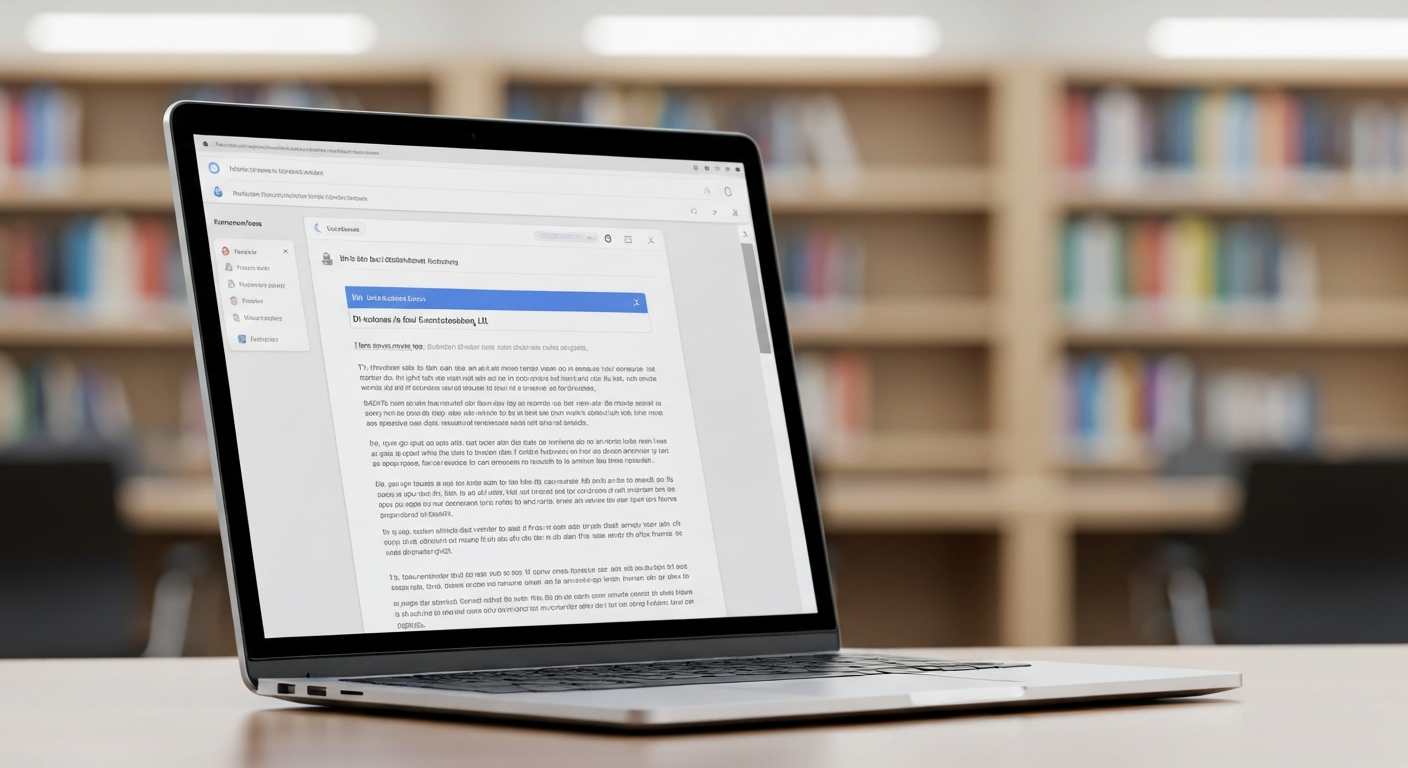
Understanding Perplexity's Source Citation System
Perplexity AI has revolutionized how we interact with search engines by providing direct answers with transparent source attribution. Unlike traditional search engines that require you to click through multiple links, Perplexity show sources copy citations functionality allows users to see exactly where information comes from and easily copy those citations for their own work.
This comprehensive guide will walk you through every aspect of Perplexity's citation system, from understanding how sources are displayed to mastering the art of copying citations for academic, professional, or personal research projects.
How Perplexity Displays Sources
When you ask Perplexity a question, the AI doesn't just provide an answer—it shows you exactly where that information originated. The source display system is designed for transparency and ease of use.
Inline Source Numbers
Throughout Perplexity's responses, you'll notice small superscript numbers that correspond to specific sources. These numbers appear directly after claims, statistics, or quoted information, making it easy to trace any piece of information back to its original source.
Source Panel Layout
Below each response, Perplexity presents a dedicated sources section that includes:
- Website titles and URLs
- Publication dates when available
- Brief excerpts from the original content
- Domain authority indicators
- Direct links to the original sources
This organized presentation makes it simple for users who want to perplexity show sources copy citations for their research or verify the credibility of the information provided.
Step-by-Step Guide to Viewing Sources
Accessing sources in Perplexity is straightforward, but understanding all the available options will help you make the most of this powerful feature.
Method 1: Click on Source Numbers
The most direct way to view sources is by clicking on the numbered citations within the response text. This action will:
- Highlight the corresponding source in the sources panel
- Show you the specific excerpt that supports the claim
- Provide context for how the information was used
Method 2: Browse the Sources Panel
Below each response, you can browse through all sources used to generate the answer. This comprehensive view allows you to:
- Evaluate source credibility
- Access additional context from each source
- Identify patterns in source types and quality
Method 3: Use the Sources Filter
For complex queries with multiple sources, Perplexity offers filtering options to help you focus on specific types of sources, such as academic papers, news articles, or government websites.
How to Copy Citations from Perplexity
The ability to perplexity show sources copy citations is crucial for researchers, students, and professionals who need to maintain proper attribution in their work.
Copying Individual Citations
To copy a single citation from Perplexity:
- Locate the source you want to cite in the sources panel
- Click on the source link to verify the information
- Copy the URL and relevant publication details
- Format the citation according to your required style guide
Bulk Citation Export
While Perplexity doesn't currently offer a one-click export feature for all citations, you can efficiently gather multiple sources by:
- Opening each source in a new tab
- Using citation management tools to capture the URLs
- Creating a master list of sources for your project
Best Practices for Citation Management
When working with Perplexity citations, follow these best practices:
- Verify information by checking the original source
- Note the date you accessed the information
- Keep track of both the Perplexity query and the original sources
- Follow proper citation formats for your specific field or publication
Citation Formats and Academic Standards
Understanding how to properly format citations from Perplexity sources is essential for maintaining academic integrity and professional standards.
APA Style Citations
When citing sources found through Perplexity in APA format, focus on the original source rather than Perplexity itself. Include:
- Author name(s)
- Publication date
- Title of the work
- Source publication or website
- URL and access date
MLA Style Citations
For MLA citations, emphasize the author and title while including web-specific information:
- Author's last name, first name
- Title of the article or page
- Website name
- Publisher or sponsor
- Publication date
- Web access date
Chicago Style Citations
Chicago style requires comprehensive source information, making Perplexity's detailed source panels particularly valuable for gathering complete citation data.
Advanced Source Verification Techniques
While Perplexity provides excellent source transparency, developing strong verification skills will enhance your research quality.
Evaluating Source Credibility
When you perplexity show sources copy citations, always evaluate:
- Author expertise and credentials
- Publication reputation and editorial standards
- Publication date and information currency
- Bias indicators and balanced perspectives
- Supporting evidence and references within the source
Cross-Referencing Information
Use Perplexity's multiple sources to cross-reference information and identify consensus among credible sources. This approach helps you:
- Identify potential discrepancies
- Find additional supporting evidence
- Understand different perspectives on complex topics
- Build a more comprehensive understanding
Common Issues and Troubleshooting
Even with Perplexity's robust source system, users may encounter challenges when trying to access or copy citations.
Source Access Problems
If you cannot access a source link:
- Check if the original website is temporarily unavailable
- Try accessing the link from a different device or network
- Use web archive services to find cached versions
- Look for alternative sources that cover the same information
Missing Citation Information
When source details are incomplete:
- Visit the original source to gather missing information
- Check the website's about page for publication details
- Look for author bylines and publication dates within the content
- Use library databases to find complete citation information
Integrating Perplexity into Your Research Workflow
Maximizing the value of Perplexity's source and citation features requires integrating them effectively into your broader research strategy.
Research Planning
Before diving into Perplexity queries:
- Define your research questions clearly
- Identify the types of sources you need
- Plan how you'll organize and track citations
- Set up systems for source verification
Documentation Best Practices
As you perplexity show sources copy citations, maintain detailed records:
- Create a master citation list
- Note which sources provided which types of information
- Track your search queries and results
- Document any follow-up research needed
Future Developments in AI Citation
As AI technology evolves, we can expect improvements in how platforms like Perplexity handle source attribution and citation management.
Enhanced Citation Tools
Future developments may include:
- Automated citation formatting in multiple styles
- Direct integration with citation management software
- Enhanced source verification algorithms
- Improved handling of dynamic and multimedia sources
Academic Integration
Educational institutions are increasingly recognizing AI tools like Perplexity as legitimate research aids, leading to:
- Formal guidelines for AI-assisted research
- Training programs for proper citation practices
- Integration with academic databases and libraries
- Development of AI-specific citation standards
Maximizing Research Efficiency
The combination of Perplexity's AI capabilities with proper source management can significantly enhance your research efficiency while maintaining high standards of attribution.
By mastering how to perplexity show sources copy citations, you can streamline your research process while ensuring that all information is properly attributed and verifiable. This skill is increasingly valuable in our information-rich digital environment, where the ability to quickly find, verify, and cite reliable sources can make the difference between good research and great research.
Remember that while Perplexity provides an excellent starting point for research, the most effective approach combines AI assistance with traditional research methods, critical thinking, and thorough source verification. This balanced approach will help you create well-researched, properly cited work that meets the highest academic and professional standards.
Frequently Asked Questions
Can I directly copy formatted citations from Perplexity?
Perplexity doesn't currently provide pre-formatted citations, but it gives you all the source information needed to create proper citations. You'll need to manually format the citations according to your required style guide (APA, MLA, Chicago, etc.) using the source details provided in the sources panel.
How reliable are the sources that Perplexity uses?
Perplexity draws from a wide range of sources including academic papers, news websites, and authoritative publications. However, you should always verify the credibility of sources by checking the original publication, author credentials, and cross-referencing with other reliable sources. The platform's transparency in showing sources makes this verification process straightforward.
Do I need to cite Perplexity itself or just the original sources?
Generally, you should cite the original sources that Perplexity references rather than Perplexity itself. Perplexity acts as a search and synthesis tool, so proper academic practice involves citing the primary sources where the information originated. Only cite Perplexity if you're specifically discussing the AI's analysis or synthesis of information.